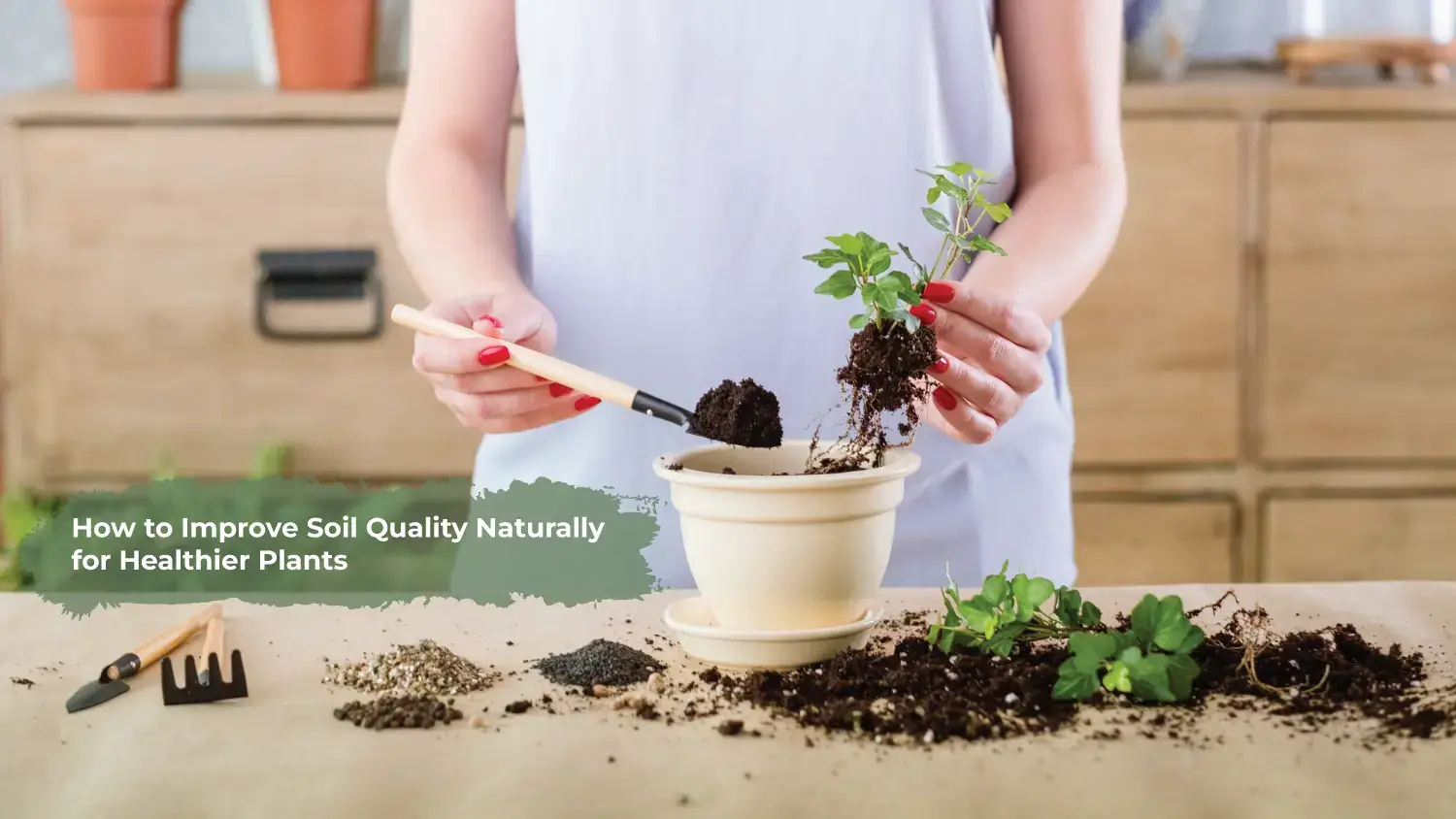
Healthy plants don’t start with expensive fertilizers or fancy tools-they start with healthy soil. Soil is a living ecosystem, and when it’s rich, balanced, and well-nourished, plants thrive naturally with fewer problems. Whether you’re growing vegetables, flowers, herbs, or a lush lawn, improving soil quality naturally is the smartest long-term investment you can make for your garden.
In this guide, we’ll explore practical, eco-friendly, and ever-evolving gardening tips to enhance soil health naturally-no chemicals, no shortcuts, just proven methods that work with nature, not against it.
Understanding Soil Quality and Why It Matters
Soil quality refers to the soil’s ability to support plant growth, retain moisture, cycle nutrients, and sustain beneficial organisms. Good soil isn’t just dirt-it’s a complex mix of minerals, organic matter, air, water, and living organisms.
When soil quality is poor, plants struggle with:
- Weak root development
- Nutrient deficiencies
- Poor water retention or drainage
- Increased pests and diseases
Improving soil naturally strengthens plants from the ground up, leading to healthier growth and higher yields over time.
Signs of Poor Soil Health
Before fixing soil problems, it’s important to recognize them. Common signs include:
- Hard, compacted soil that’s difficult to dig
- Water pooling on the surface or draining too quickly
- Yellowing leaves despite regular watering
- Low earthworm activity
- Stunted or weak plant growth
If you notice these issues, your soil is asking for help-not chemicals, but natural restoration.
Know Your Soil Type First
Every garden has a unique soil composition. Identifying your soil type helps you apply the right improvements.
Common Soil Types:
- Sandy Soil: Drains quickly, low nutrient retention
- Clay Soil: Holds water but drains poorly
- Loamy Soil: Balanced, ideal for most plants
- Silty Soil: Fertile but prone to compaction
A simple jar test at home can help you determine your soil type. Once you know it, improving soil quality becomes much more effective.
Compost: The Gold Standard of Natural Soil Improvement
Compost is often called black gold-and for good reason. It’s one of the most effective and sustainable ways to improve soil quality.
Benefits of Compost:
- Enhances soil fertility naturally
- Improves moisture retention
- Encourages beneficial microorganisms
- Reduces the need for chemical fertilizers
Whether you use homemade compost or store-bought organic compost, consistent application can dramatically improve soil health within a few growing seasons.
At Garden Idea Pro, composting is considered a core gardening habit for anyone serious about sustainable plant care.
Use Mulching to Protect and Feed Soil
Mulching is an underrated yet powerful soil-building technique. It acts as a protective blanket for the soil.
Natural Mulch Options:
- Straw
- Dry leaves
- Wood chips
- Grass clippings
- Bark mulch
How Mulching Helps:
- Prevents soil erosion
- Maintains moisture levels
- Regulates soil temperature
- Breaks down over time to enrich soil
This ever-evolving gardening tip has gained popularity as gardeners focus more on water conservation and soil protection.
Improve Soil with Natural Amendments
Different soils need different amendments. Natural soil amendments correct deficiencies without harming soil life.
Popular Natural Soil Amendments:
- Vermicompost: Rich in nutrients and microbes
- Bone meal: Adds phosphorus for root growth
- Neem cake: Improves fertility and pest resistance
- Wood ash: Raises soil pH (use sparingly)
Always apply amendments based on soil needs, not guesswork.
Encourage Beneficial Soil Microorganisms
Healthy soil is alive with bacteria, fungi, and earthworms. These organisms break down organic matter and make nutrients available to plants.
Ways to Support Soil Life:
- Avoid chemical pesticides and fertilizers
- Add compost and organic matter
- Keep soil covered with mulch
- Minimize deep tilling
Modern natural gardening emphasizes soil biology, making this one of the most important evolving gardening practices today.
Crop Rotation and Cover Crops
If you grow vegetables, crop rotation is essential for maintaining soil health.
Benefits of Crop Rotation:
- Prevents nutrient depletion
- Reduces pests and diseases
- Improves soil structure
Cover crops like clover, mustard, or legumes protect soil during off-seasons while adding nutrients naturally. They are increasingly used by eco-conscious home gardeners.
Natural Ways to Improve Soil Drainage and Aeration
Compacted soil restricts roots and blocks water movement. Improving aeration naturally can make a huge difference.
Natural Solutions:
- Add compost to loosen soil
- Mix in sand for heavy clay soil
- Use garden forks instead of rotavators
- Grow deep-rooted plants like radish or alfalfa
These methods improve airflow and water penetration without damaging soil ecosystems.
Avoid Common Mistakes That Damage Soil
Sometimes, soil problems come from well-intentioned habits.
Mistakes to Avoid:
- Over-watering
- Excessive chemical fertilizer use
- Frequent deep tilling
- Leaving soil bare
Natural soil improvement is about patience and consistency, not quick fixes.
Long-Term Soil Care for Sustainable Gardening
Improving soil quality isn’t a one-time task-it’s an ongoing process.
Long-Term Best Practices:
- Add organic matter every season
- Rotate crops annually
- Observe plant health closely
- Adjust techniques based on results
With time, your soil becomes self-sustaining, requiring less effort while delivering better growth and yields.
Gardeners who follow these principles-like those guided by Garden Idea Pro-often see dramatic improvements in plant health year after year.
Summary
Healthy soil is the foundation of a thriving garden. By improving soil quality naturally, you create an environment where plants grow stronger, resist pests, and produce better yields-all while protecting the ecosystem. Natural soil care isn’t just a trend; it’s the future of sustainable gardening. Start small, stay consistent, and let nature do the heavy lifting.
FAQs
How long does it take to improve soil quality naturally?
Most gardens show noticeable improvements within 2–3 months, but long-term soil health develops over multiple seasons.
Can I improve soil quality without compost?
Yes, but compost is one of the most effective methods. Alternatives include leaf mold, vermicompost, and green manure.
Is chemical fertilizer bad for soil?
Overuse can harm soil microorganisms and structure. Occasional use may help, but natural methods are safer long-term.
How often should I add organic matter to soil?
Ideally, add organic matter at least once every planting season.
Does mulching attract pests?
Organic mulch can attract insects, but it usually balances out by encouraging beneficial organisms.
Can poor soil be fixed completely?
Yes. With consistent natural care, even severely degraded soil can be restored over time.