In today’s eco-conscious world, sustainable living is no longer a trend-it’s a necessity. With the rapid growth of ever-evolving Organic Farming, composting at home has become one of the easiest and most impactful steps individuals can take toward environmental responsibility. Instead of throwing kitchen scraps into landfills, you can convert them into nutrient-rich organic compost that improves soil health and boosts plant growth.
This detailed guide by Garden Idea Pro will walk you through everything you need to know about making organic compost at home using kitchen waste.
Organic Compost
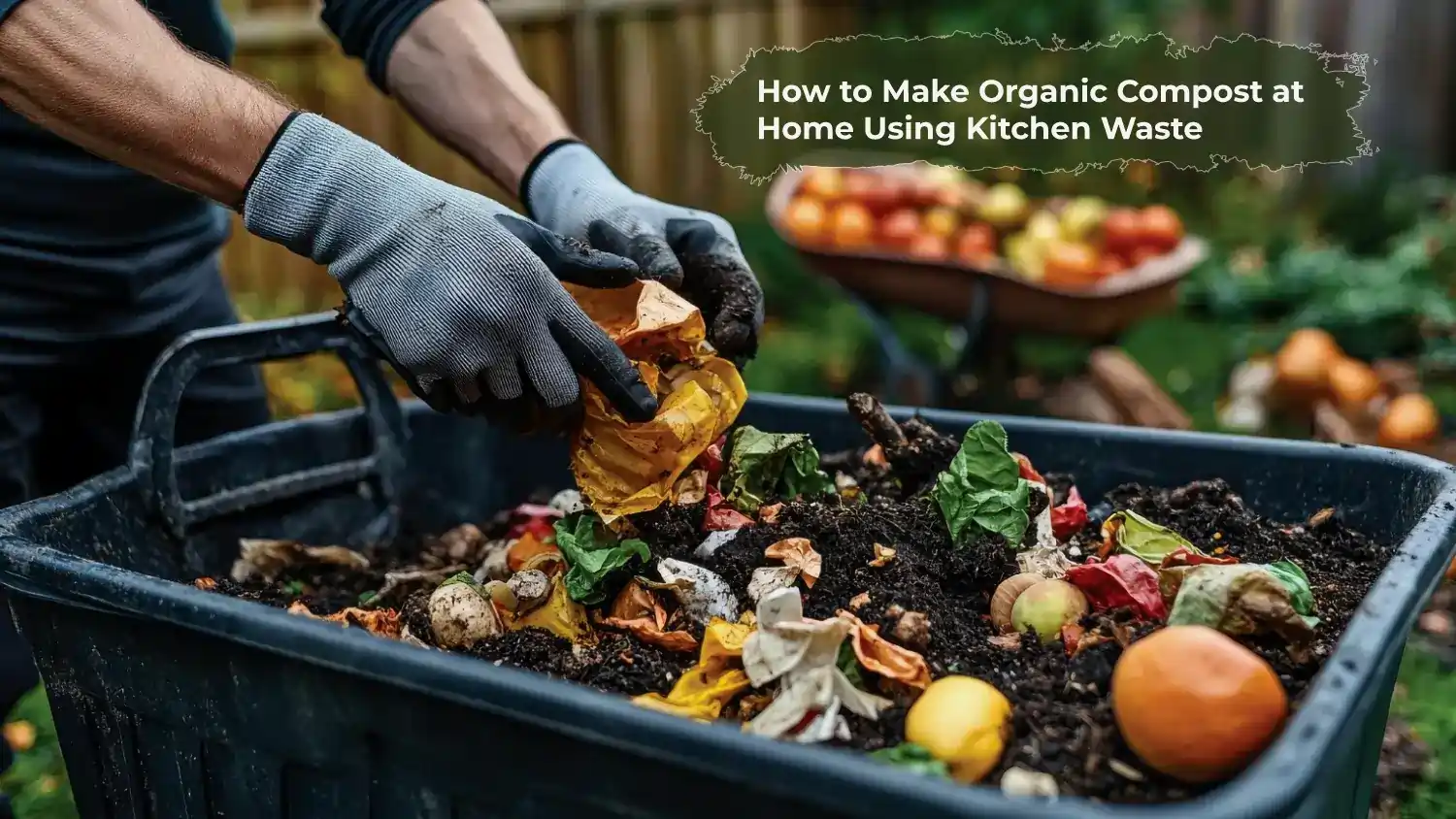
Organic compost is decomposed organic material that enriches soil naturally. It is made from biodegradable waste such as vegetable peels, fruit scraps, tea leaves, coffee grounds, and dry leaves. Compost acts as a natural fertilizer and soil conditioner without the harmful chemicals found in synthetic fertilizers.
By composting at home, you reduce waste and contribute positively to the environment.
Why Composting Is Important
Every day, households generate significant kitchen waste. Most of this waste ends up in landfills, where it produces methane-a harmful greenhouse gas. Composting:
- Reduces landfill waste
- Cuts methane emissions
- Improves soil structure
- Encourages beneficial microorganisms
- Supports sustainable gardening practices
Composting is a small but powerful step toward supporting ever-evolving Organic Farming practices worldwide.
Benefits of Compost for Home Gardening
Organic compost provides multiple benefits:
1. Improves Soil Structure
Compost enhances soil texture, making it more fertile and better at retaining water.
2. Increases Nutrient Content
It provides essential nutrients like nitrogen, phosphorus, and potassium naturally.
3. Boosts Plant Growth
Healthy soil leads to stronger roots and healthier plants.
4. Reduces Need for Chemical Fertilizers
Compost eliminates dependency on synthetic fertilizers.
5. Encourages Microbial Activity
Beneficial microbes thrive in compost-enriched soil.
Types of Composting Methods
Depending on space and lifestyle, you can choose from different composting methods:
Aerobic Composting
Requires oxygen. Waste is turned regularly to speed up decomposition.
Anaerobic Composting
Does not require turning but takes longer and may produce odors.
Vermicomposting
Uses earthworms to break down organic waste quickly.
Bokashi Composting
A fermentation process suitable for indoor composting.
For beginners, aerobic composting is the easiest and most manageable method.
What Kitchen Waste Can Be Composted
You can compost the following:
- Vegetable peels
- Fruit scraps
- Tea leaves and tea bags (without plastic)
- Coffee grounds
- Eggshells
- Leftover rice (in small amounts)
- Stale bread
- Dry leaves
- Shredded newspaper
These materials are classified into:
Green Waste (Nitrogen-rich):
- Fruit and vegetable scraps
- Coffee grounds
- Fresh grass clippings
Brown Waste (Carbon-rich):
- Dry leaves
- Cardboard
- Paper
- Sawdust
Maintaining a proper balance between green and brown materials is essential.
What to Avoid in Compost
Avoid adding:
- Meat and fish scraps
- Dairy products
- Oily food
- Plastic or synthetic materials
- Diseased plants
- Pet waste
These items may cause foul smells and attract pests.
Step-by-Step Guide to Making Compost at Home
Step 1: Choose a Compost Bin
You can use:
- A plastic bucket with holes
- A clay pot
- A dedicated compost bin
- A large container with a lid
Ensure it has ventilation holes for airflow.
Step 2: Start with Brown Layer
Add a base layer of dry leaves, shredded newspaper, or cardboard.
Step 3: Add Green Waste
Add kitchen scraps in small pieces to speed up decomposition.
Step 4: Maintain Proper Ratio
Ideal ratio:
- 2 parts brown waste
- 1 part green waste
Step 5: Keep Moisture Balanced
Compost should feel like a damp sponge-not too dry, not too wet.
Step 6: Turn the Compost
Mix or turn it every 5–7 days to provide oxygen.
Step 7: Cover the Bin
Keep it covered to avoid flies and insects.
Maintaining Your Compost Bin
To maintain healthy compost:
- Check moisture weekly
- Add dry leaves if it smells bad
- Turn regularly
- Avoid overloading with wet waste
- Keep in a shaded area
Consistency is key to successful composting.
Common Composting Problems & Solutions
Bad Odor
Cause: Too much green waste
Solution: Add brown materials and turn the pile
Flies or Insects
Cause: Exposed food scraps
Solution: Cover with dry leaves
Compost Too Dry
Cause: Lack of moisture
Solution: Sprinkle water lightly
Compost Too Wet
Cause: Excess moisture
Solution: Add shredded paper or dry leaves
How Long Does Compost Take?
Depending on the method and conditions:
- Aerobic compost: 6–8 weeks
- Vermicompost: 4–6 weeks
- Cold composting: 3–6 months
Compost is ready when:
- It looks dark brown
- Has earthy smell
- Original materials are unrecognizable
Using Compost in Your Garden
Once ready, compost can be used in:
- Flower beds
- Vegetable gardens
- Indoor plants
- Lawn top dressing
- Potting mixes
Mix compost into soil before planting or spread it around plants as mulch.
Composting and the Future of Organic Farming
As awareness about sustainability grows, composting plays a major role in supporting ever-evolving Organic Farming systems. Farmers worldwide are shifting toward natural soil enrichment methods to reduce chemical dependency and restore soil biodiversity.
Home composting contributes to:
- Reduced chemical fertilizer use
- Improved soil regeneration
- Sustainable agriculture practices
- Reduced environmental pollution
By composting at home, you become part of a global movement that supports soil health and eco-friendly farming.
At Garden Idea Pro, we encourage every household to adopt composting as a simple yet powerful step toward greener living.
Final Thoughts
Making organic compost at home using kitchen waste is simple, affordable, and environmentally responsible. It reduces waste, enriches soil, and supports sustainable gardening practices.
With the rise of ever-evolving Organic Farming methods, composting is no longer optional-it’s essential. Whether you have a small balcony garden or a large backyard, composting can transform your kitchen waste into garden gold.
FAQs
Can I compost cooked food?
Yes, but only small amounts of plain cooked food like rice. Avoid oily or spicy items.
Does composting smell bad?
No, properly maintained compost smells earthy. Bad odor indicates imbalance.
Can I compost in an apartment?
Yes. You can use small bins or try vermicomposting indoors.
How do I know compost is ready?
It becomes dark, crumbly, and smells like fresh soil.
Is compost better than chemical fertilizer?
Yes. Compost improves soil structure and fertility naturally without harming beneficial organisms.