Urban living often means limited space, compact balconies, and small terraces. However, with smart planning and creativity, you can transform even the tiniest corner into a lush green retreat. Vertical gardening is one of the most effective ways to grow plants without occupying valuable floor space. By utilizing walls, railings, and vertical structures, you can build a thriving ever-evolving Home Garden that enhances both beauty and functionality.
In this comprehensive guide, we’ll explore innovative vertical garden ideas, practical tips, plant recommendations, and maintenance strategies to help you create a stunning green oasis in your urban home.
Vertical Gardening
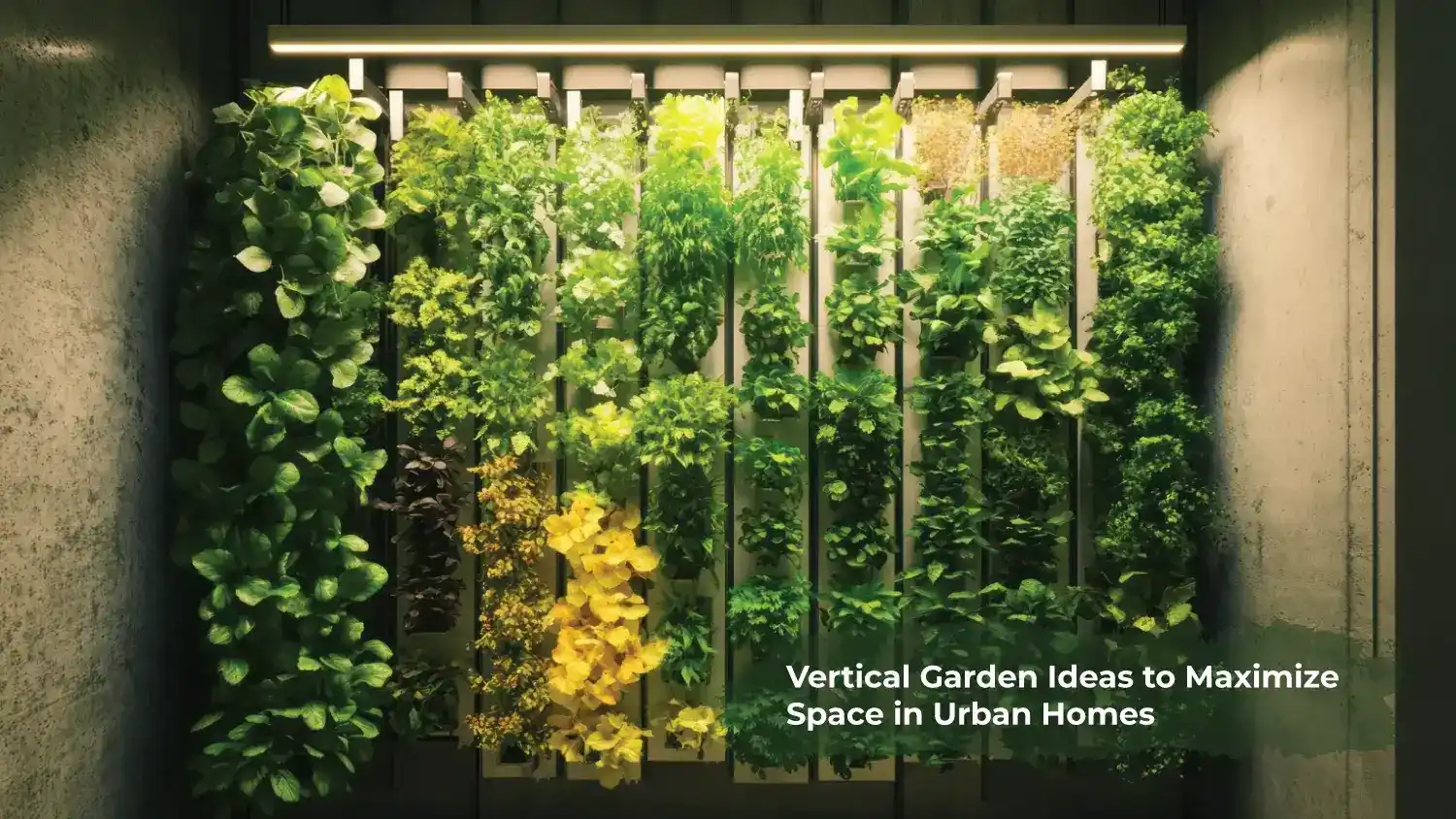
Vertical gardening is a method of growing plants upward using walls, trellises, frames, or hanging systems instead of spreading them horizontally. This approach is perfect for apartments, small homes, and city dwellers who want to enjoy greenery without sacrificing space.
Whether you have a small balcony, terrace, kitchen wall, or even an indoor hallway, vertical gardens allow you to maximize available space efficiently.
Benefits of Vertical Gardens in Urban Homes
1. Space Optimization
Vertical gardens make use of unused vertical space, freeing up floors for other activities.
2. Improved Air Quality
Plants help filter air pollutants and improve oxygen levels, especially beneficial in city environments.
3. Temperature Regulation
Green walls can reduce heat absorption and help maintain cooler indoor temperatures.
4. Aesthetic Appeal
A vertical garden adds a modern, luxurious, and refreshing look to urban interiors and exteriors.
5. Increased Property Value
Well-designed green spaces can enhance the visual appeal and value of your home.
Types of Vertical Garden Structures
1. Wall-Mounted Planters
These are pots or containers fixed directly onto walls, ideal for balconies and terraces.
2. Trellis Systems
Wooden or metal frames that support climbing plants like ivy or jasmine.
3. Pocket Planters
Fabric or modular pocket systems allow you to plant multiple varieties in one structure.
4. Hanging Gardens
Suspended pots from ceilings or railings create layered greenery.
5. Pallet Gardens
Recycled wooden pallets converted into plant holders offer a rustic look.
6. Hydroponic Vertical Systems
Soil-free systems using nutrient-rich water for compact and efficient gardening.
Creative Vertical Garden Ideas
1. Balcony Green Wall
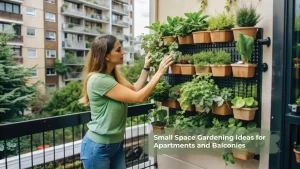
Install a vertical planter wall on your balcony railing. Use colorful pots and mix flowering plants with herbs for both beauty and utility.
2. Kitchen Herb Wall
Mount small containers near a sunny kitchen window to grow basil, mint, coriander, and thyme. Fresh herbs at arm’s reach make cooking more enjoyable.
3. Living Room Vertical Garden
Create an indoor green feature wall using low-maintenance plants. This transforms your space into a refreshing natural environment.
4. Staircase Wall Garden
Utilize the empty wall along staircases by installing tiered planters.
5. Recycled Bottle Garden
Attach plastic bottles horizontally on a frame. This eco-friendly option is perfect for beginners.
6. PVC Pipe Vertical Garden
Cut PVC pipes with planting slots and mount them vertically for a modern industrial look.
7. Modular Panel Systems
Pre-designed vertical garden panels make installation simple and professional.
Best Plants for Vertical Gardens
Choosing the right plants is crucial for success.
Indoor Vertical Gardens
- Pothos
- Spider Plant
- Philodendron
- Ferns
- Peace Lily
Outdoor Vertical Gardens
- Bougainvillea
- Jasmine
- Money Plant
- Ivy
- Succulents
Edible Vertical Gardens
- Spinach
- Lettuce
- Strawberries
- Cherry Tomatoes
- Mint
Always consider sunlight, climate, and watering needs before selecting plants.
DIY Vertical Garden Projects
If you enjoy hands-on projects, here are simple DIY ideas:
1. Wooden Frame Garden
- Create a rectangular wooden frame
- Add landscape fabric
- Fill with soil
- Plant herbs or succulents
2. Ladder Plant Stand
Repurpose an old ladder into a multi-tier plant stand.
3. Hanging Shoe Organizer Garden
Use fabric shoe organizers as planting pockets.
4. Mason Jar Wall Garden
Mount mason jars on wooden planks for a farmhouse look.
DIY projects are affordable and customizable, making them ideal for beginners.
Maintenance Tips for Long-Term Success
A vertical garden requires proper care to stay lush and healthy.
1. Proper Irrigation System
Drip irrigation systems are ideal for vertical gardens to ensure even watering.
2. Good Drainage
Ensure excess water can drain properly to avoid root rot.
3. Regular Pruning
Trim plants to prevent overcrowding and maintain shape.
4. Fertilization
Use organic fertilizers to maintain soil nutrients.
5. Sunlight Management
Observe sunlight patterns and rotate plants if needed.
6. Pest Control
Inspect plants weekly and use natural remedies like neem oil if required.
Maintaining an ever-evolving Home Garden means adapting to seasonal changes and continuously improving your setup.
Budget-Friendly Vertical Gardening Ideas
Not everyone wants to invest heavily in garden décor. Here are cost-effective options:
- Use recycled containers
- Repurpose old wooden crates
- Buy plants from local nurseries
- Start with cuttings instead of mature plants
- Use compost from kitchen waste
Vertical gardening doesn’t have to be expensive. With creativity, you can build a beautiful setup within a limited budget.
Common Mistakes to Avoid
1. Overwatering
Vertical gardens dry out faster but overwatering can damage roots.
2. Choosing Wrong Plants
Avoid plants that require too much depth or heavy soil.
3. Ignoring Structural Support
Ensure your wall or frame can handle the weight.
4. Poor Sunlight Planning
Understand how much sunlight your area receives before installation.
5. Lack of Drainage System
Without proper drainage, walls may get damaged.
Learning from these mistakes will help you maintain a thriving vertical garden.
How Vertical Gardens Enhance Urban Lifestyle
Urban homes often lack connection with nature. Vertical gardens:
- Reduce stress
- Improve mood
- Encourage healthy eating habits
- Enhance indoor aesthetics
- Promote sustainable living
As cities grow denser, vertical gardening becomes more than a trend-it becomes a necessity.
Sustainable and Eco-Friendly Vertical Gardening
Sustainability plays a crucial role in modern gardening.
- Use rainwater harvesting for irrigation
- Compost kitchen waste
- Choose native plant species
- Avoid chemical pesticides
An eco-conscious approach ensures your garden contributes positively to the environment.
Seasonal Vertical Gardening Tips
Summer
Choose heat-resistant plants and increase watering frequency.
Monsoon
Ensure proper drainage and watch for fungal infections.
Winter
Reduce watering and protect sensitive plants from frost.
Seasonal adjustments are key to maintaining a long-lasting vertical setup.
Smart Technology in Vertical Gardening
Urban homeowners are now integrating smart irrigation systems and moisture sensors to automate plant care. These systems reduce manual effort and ensure optimal plant growth.
Final Thoughts
Vertical gardening is a practical, stylish, and sustainable solution for urban homes with limited space. From balcony walls to kitchen corners, every vertical surface offers an opportunity to grow greenery. With thoughtful planning, proper plant selection, and consistent care, you can transform your living space into a refreshing green sanctuary.
For more innovative gardening inspiration and expert tips, explore insightful guides from Garden Idea Pro, where gardening meets creativity and sustainability.
FAQs
What is the best structure for a small balcony vertical garden?
Wall-mounted planters or railing planters work best for small balconies as they save maximum space.
Do vertical gardens require more maintenance?
They may require slightly more frequent watering, but with a drip irrigation system, maintenance becomes easier.
Can I grow vegetables in a vertical garden?
Yes, leafy greens, herbs, strawberries, and cherry tomatoes grow well in vertical setups.
How much sunlight does a vertical garden need?
It depends on plant type. Most flowering plants require 4–6 hours of sunlight, while indoor plants can thrive in indirect light.
Is vertical gardening expensive?
Not necessarily. DIY methods using recycled materials can significantly reduce costs.
How do I prevent water damage to walls?
Install a waterproof backing and proper drainage system to protect walls from moisture damage.