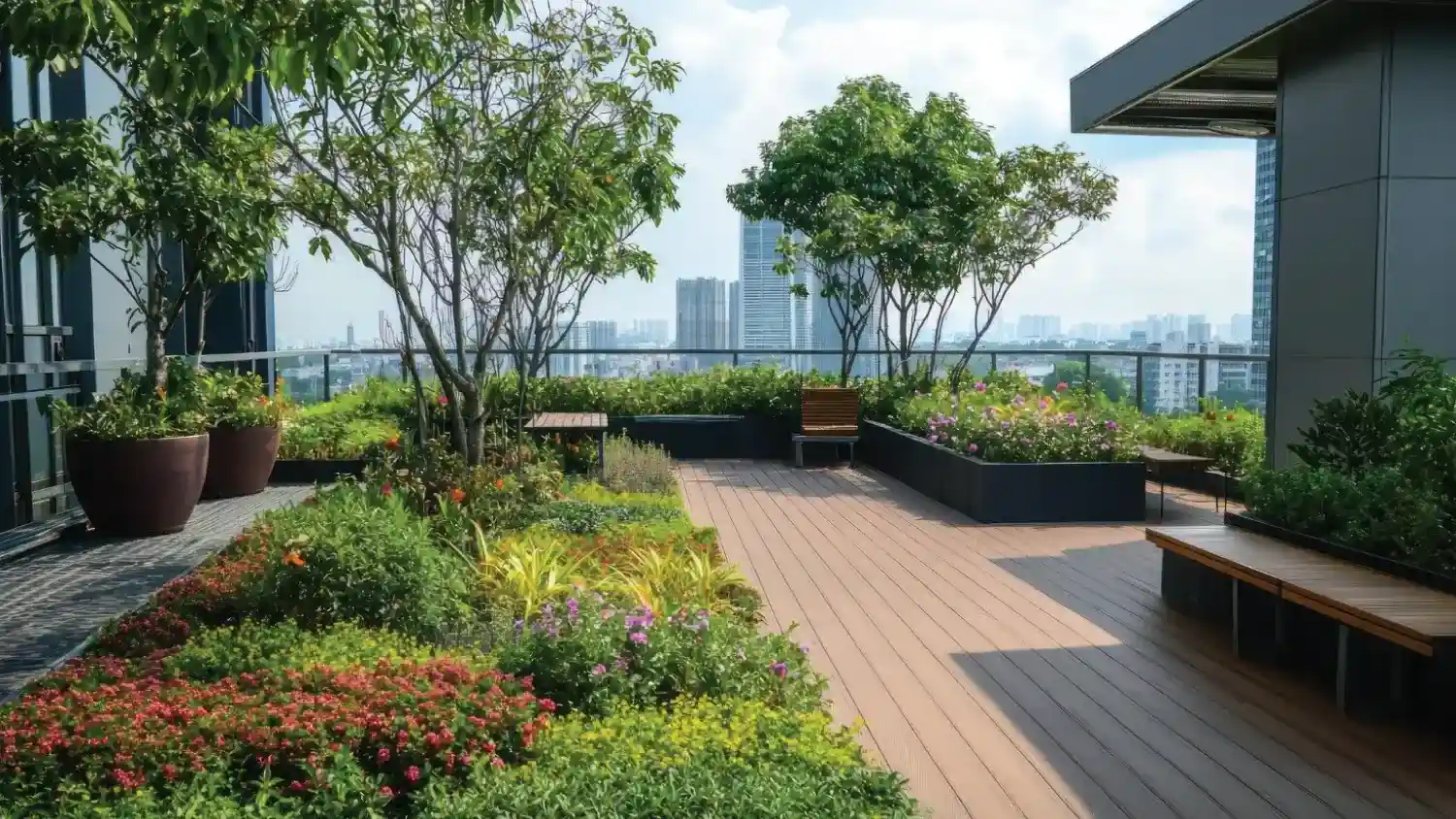
Creating a terrace garden is one of the smartest ways to transform unused rooftop space into a beautiful, productive, and relaxing green paradise. Whether you live in a city apartment or an independent home, terrace gardening allows you to grow vegetables, herbs, flowers, and even small fruit trees right above your living space.
In today’s fast-paced urban life, the concept of an ever-evolving Home Garden is gaining popularity. More homeowners are turning their rooftops into sustainable green zones that promote health, reduce heat, and improve air quality. In this detailed guide by Garden Idea Pro, you’ll learn everything you need to know about setting up a terrace garden from scratch.
Terrace Gardening
Terrace gardening is the practice of growing plants on rooftops or terraces using containers, raised beds, or grow bags. It is ideal for urban dwellers with limited ground space.
Unlike traditional gardening, terrace gardens require careful planning regarding weight load, waterproofing, sunlight exposure, and drainage. However, once set up, it becomes an eco-friendly and rewarding hobby.
Benefits of a Terrace Garden
Setting up a terrace garden offers multiple advantages:
1. Fresh Organic Food
You can grow pesticide-free vegetables like tomatoes, spinach, chilies, and coriander.
2. Temperature Control
Plants reduce heat absorption on rooftops, keeping your home cooler in summer.
3. Better Air Quality
Plants absorb pollutants and release oxygen.
4. Stress Relief
Gardening improves mental health and promotes relaxation.
5. Sustainable Living
An ever-evolving Home Garden supports composting, rainwater harvesting, and eco-friendly living.
Step-by-Step Guide to Setting Up a Terrace Garden
Step 1: Check Structural Strength & Waterproofing
Before starting, consult a civil engineer to confirm whether your terrace can handle extra weight from soil, pots, and water.
Important Points:
- Ensure proper waterproofing layer.
- Fix cracks or leakage.
- Apply weather-resistant coating.
- Install protective root barriers if needed.
Waterproofing is crucial to avoid damage to your home structure.
Step 2: Plan Your Garden Layout
Good planning prevents overcrowding and improves plant health.
Consider:
- Sunlight direction (most vegetables need 5–7 hours of sunlight).
- Wind exposure.
- Walking space.
- Water source location.
You can divide your terrace into:
- Vegetable zone
- Flower zone
- Herb section
- Relaxation corner
Sketch your layout before purchasing materials.
Step 3: Choose the Right Containers
Containers are the foundation of terrace gardening.
Popular Options:
- Plastic pots (lightweight)
- Clay pots (natural look)
- Grow bags (budget-friendly)
- Wooden boxes
- Cement pots (heavy but durable)
For beginners, grow bags are affordable and easy to manage.
Step 4: Prepare Soil & Compost Mix
Healthy soil ensures healthy plants.
Ideal Soil Mix:
- 40% Garden soil
- 30% Compost (organic)
- 20% Cocopeat
- 10% Sand
This mix provides:
- Good drainage
- Proper aeration
- Nutrient supply
You can create compost from kitchen waste for a sustainable Home Garden.
Step 5: Select Suitable Plants
Choose plants according to your climate and sunlight availability.
Easy Vegetables for Beginners:
- Tomato
- Spinach
- Mint
- Chili
- Coriander
- Brinjal
Flowering Plants:
- Marigold
- Petunia
- Rose
- Jasmine
Fruit Plants:
- Lemon
- Guava (dwarf variety)
- Papaya
Start with easy-growing plants before moving to advanced crops.
Step 6: Install Proper Drainage System
Poor drainage causes root rot and plant death.
Tips:
- Ensure pots have drainage holes.
- Place trays under pots.
- Slightly tilt the terrace floor toward drainage outlets.
- Use gravel layer at bottom of containers.
Never allow water to stagnate on the terrace surface.
Step 7: Set Up Irrigation System
Regular watering is essential.
Watering Options:
- Manual watering with hose
- Drip irrigation system
- Sprinkler system
- Self-watering pots
Drip irrigation is ideal for beginners as it saves water and time.
Step 8: Add Shade & Protection
Strong sunlight and heavy rains can damage plants.
Protection Methods:
- Green shade net (50%)
- Bamboo structures
- Transparent poly sheet during monsoon
- Wind barriers
Adjust shade according to seasonal changes.
Step 9: Organic Pest Control Methods
Avoid chemical pesticides.
Natural Solutions:
- Neem oil spray
- Garlic spray
- Soap water solution
- Companion planting (e.g., marigold with tomatoes)
Regular inspection prevents major infestations.
Step 10: Maintenance & Seasonal Care
An ever-evolving Home Garden requires regular attention.
Maintenance Checklist:
- Weekly pruning
- Remove dead leaves
- Add compost every 15–20 days
- Rotate crops seasonally
- Monitor pests
In summer, water daily. In winter, reduce watering frequency.
Budget Planning for Terrace Garden
Basic Setup Cost (Approximate)
- Waterproofing: Moderate expense
- Pots & Grow Bags: Budget-friendly
- Soil & Compost: Affordable
- Seeds/Plants: Low cost
- Irrigation setup: Optional investment
You can start a small terrace garden within a reasonable budget and expand gradually.
Common Mistakes to Avoid
- Ignoring waterproofing
- Overwatering plants
- Using heavy soil without drainage
- Overcrowding pots
- Choosing plants without checking sunlight needs
Avoiding these mistakes ensures long-term success.
Making Your Terrace Garden Sustainable
To make your Home Garden eco-friendly:
- Use rainwater harvesting
- Compost kitchen waste
- Avoid plastic where possible
- Reuse old containers creatively
- Grow native plant varieties
Sustainability makes your garden future-ready and environmentally responsible.
Conclusion
Setting up a terrace garden may seem challenging at first, but with proper planning and step-by-step execution, anyone can create a beautiful rooftop oasis. Start small, learn from experience, and gradually expand your green space.
At Garden Idea Pro, we believe every rooftop has the potential to become an ever-evolving Home Garden that promotes health, sustainability, and happiness.
Begin your terrace gardening journey today and enjoy the rewards of growing your own food and flowers right above your home.
FAQs
Is terrace gardening safe for buildings?
Yes, if proper waterproofing and structural strength checks are done beforehand.
How much sunlight is required for a terrace garden?
Most vegetables need 5–7 hours of direct sunlight daily.
What is the best soil mix for terrace gardening?
A mix of garden soil, compost, cocopeat, and sand works best for drainage and nutrition.
Can I grow fruit trees on my terrace?
Yes, but choose dwarf varieties and large containers.
How often should I water terrace plants?
It depends on climate. In summer, daily watering may be required. In winter, reduce frequency.
Is drip irrigation necessary?
It is not mandatory but highly recommended for water efficiency and convenience.