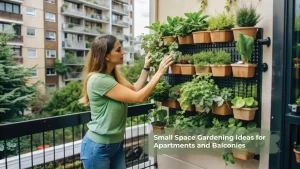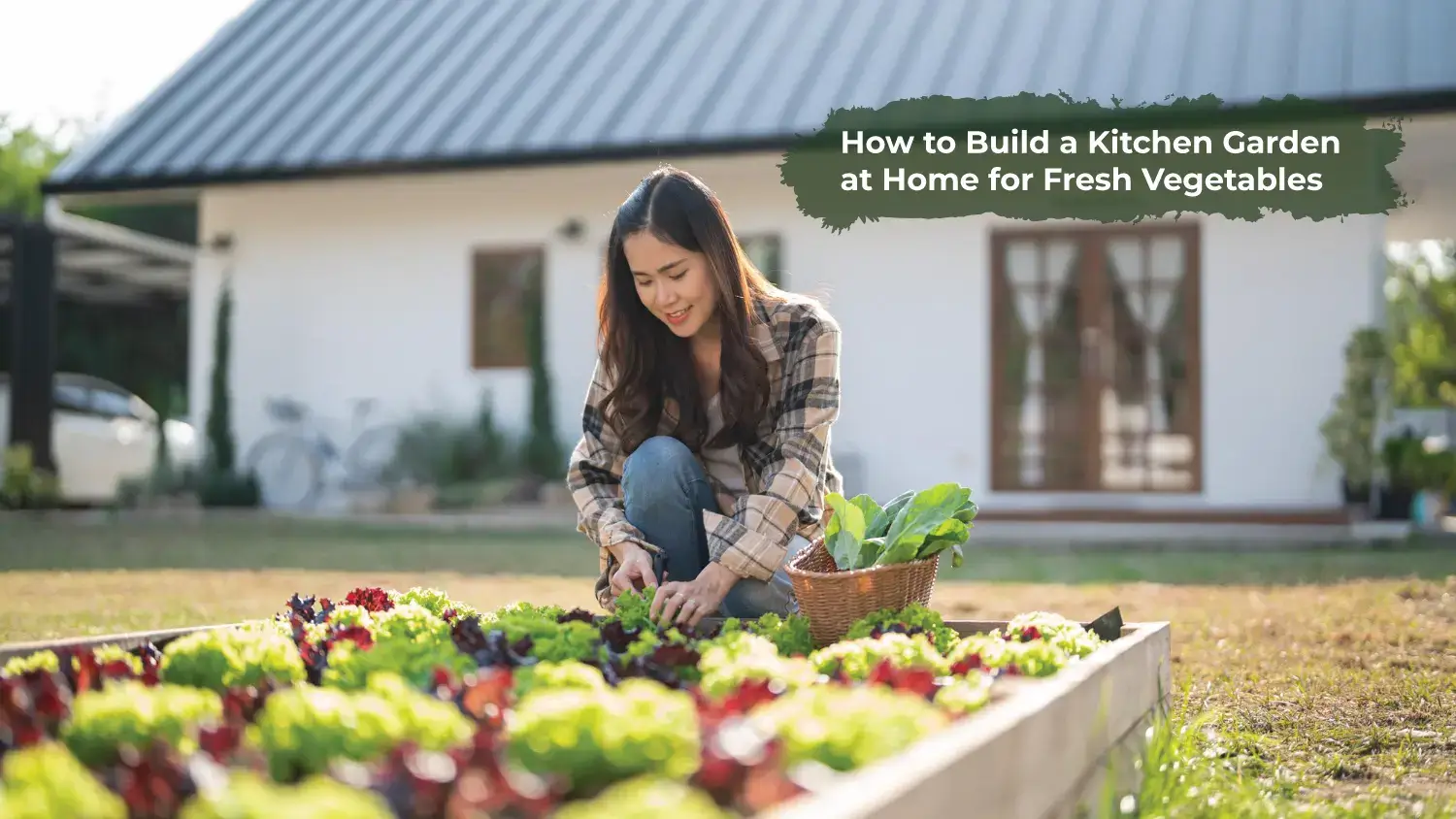
In today’s fast-paced lifestyle, growing your own vegetables is not just a hobby – it’s a healthy investment. A kitchen garden ensures fresh, chemical-free produce right at your doorstep while enhancing your ever-evolving Home Garden. Whether you have a backyard, terrace, balcony, or even a small open space, you can successfully build a productive kitchen garden at home.
In this detailed guide by Garden Idea Pro, you will learn step-by-step how to plan, design, plant, and maintain your kitchen garden for year-round fresh vegetables.
Kitchen Gardening
A kitchen garden is a small garden near your home where vegetables, herbs, and fruits are grown for daily household consumption. Unlike commercial farming, it focuses on freshness, nutrition, and sustainability.
With increasing awareness about healthy eating, more families are turning toward home gardening to ensure safe and organic food.
Benefits of Building a Kitchen Garden
1. Fresh & Organic Produce
You control what goes into your soil and plants, ensuring chemical-free vegetables.
2. Cost Saving
Growing tomatoes, spinach, chilies, and herbs reduces grocery bills significantly.
3. Enhances Your Home Garden
A kitchen garden transforms unused spaces into productive green zones.
4. Eco-Friendly Living
Reduces carbon footprint by cutting transportation and packaging waste.
5. Stress Relief
Gardening is therapeutic and improves mental well-being.
Choosing the Right Location
Location plays a crucial role in the success of your kitchen garden.
Sunlight
Most vegetables require 6–8 hours of direct sunlight daily.
Water Source
Ensure easy access to water for regular irrigation.
Air Circulation
Good airflow prevents fungal diseases.
Avoid
- Waterlogged areas
- Deep shade
- Strong wind exposure
Balconies, terraces, rooftops, and backyards are excellent choices.
Planning and Designing Your Kitchen Garden
Proper planning saves time and effort.
Step 1: Measure the Space
Draw a rough layout of available area.
Step 2: Divide Into Sections
Create beds or container zones for different vegetables.
Step 3: Vertical Gardening
Use trellises and wall planters for climbers like beans and cucumbers.
Step 4: Companion Planting
Plant tomatoes with basil, carrots with onions, etc., for better yield.
A well-planned layout supports an ever-evolving Home Garden that grows smarter each season.
Selecting the Best Vegetables to Grow
Start with easy-to-grow vegetables:
Leafy Greens
- Spinach
- Lettuce
- Coriander
- Fenugreek
Fruiting Vegetables
- Tomato
- Brinjal (Eggplant)
- Chili
- Capsicum
Root Vegetables
- Carrot
- Radish
- Beetroot
Herbs
- Mint
- Basil
- Curry leaves
Choose vegetables based on your climate and season.
Preparing Soil for Healthy Growth
Healthy soil = healthy plants.
Ideal Soil Mix:
- 40% Garden soil
- 30% Compost
- 20% Cocopeat
- 10% Sand
Soil Preparation Tips:
- Remove weeds and stones
- Add organic compost
- Ensure proper drainage
Test soil pH (ideal range: 6.0–7.5).
Container vs. Ground Gardening
Container Gardening
Best for balconies and terraces.
Advantages:
- Space-saving
- Easy mobility
- Controlled soil quality
Use grow bags, pots, or recycled containers with drainage holes.
Ground Gardening
Ideal for backyards.
Advantages:
- Better root development
- Larger yield
- Less watering frequency
Choose based on available space and convenience.
Watering and Irrigation Tips
Overwatering and underwatering both harm plants.
Best Practices:
- Water early morning or evening
- Check soil moisture before watering
- Use drip irrigation for efficiency
Mulching helps retain moisture and reduce weeds.
Organic Fertilizers and Composting
Organic feeding boosts plant health naturally.
Natural Fertilizers:
- Cow dung compost
- Vermicompost
- Kitchen waste compost
- Banana peel fertilizer
- Neem cake powder
Composting at Home:
Use vegetable peels, fruit waste, and dry leaves to create nutrient-rich compost.
This sustainable cycle supports a healthy and ever-evolving Home Garden.
Pest and Disease Management
Avoid chemical pesticides.
Natural Solutions:
- Neem oil spray
- Garlic-chili spray
- Soap water solution
- Manual removal of insects
Encourage beneficial insects like ladybugs.
Maintain cleanliness to prevent fungal infections.
Seasonal Planting Guide
Understanding seasons ensures better yield.
Summer Vegetables:
- Okra
- Cucumber
- Bottle gourd
Winter Vegetables:
- Cauliflower
- Peas
- Carrot
Monsoon Vegetables:
- Spinach
- Beans
- Ridge gourd
Rotate crops seasonally to maintain soil fertility.
Harvesting and Storage Tips
- Harvest at the right time for best flavor.
- Pick leafy greens before flowering
- Harvest tomatoes when fully colored
- Use clean scissors or pruning tools
Store vegetables in a cool, dry place or refrigerate immediately.
Maintaining an Ever-Evolving Home Garden
A successful kitchen garden grows better every season.
Regular Maintenance:
- Remove dry leaves
- Prune plants
- Add compost monthly
- Rotate crops
Track Growth:
Maintain a gardening diary to record planting and harvesting dates.
Experiment:
Try new vegetable varieties each season.
Your Home Garden should adapt, improve, and expand with experience.
At Garden Idea Pro, we encourage gardeners to keep learning and experimenting for better yields and healthier plants.
Expert Tips for Higher Yield
- Use high-quality seeds
- Practice crop rotation
- Add mulch to conserve moisture
- Install vertical supports
- Start small, then expand
Consistency is the key to success.
Final Thoughts
Building a kitchen garden at home is one of the most rewarding experiences. It promotes healthy eating, sustainability, and financial savings. With proper planning, soil preparation, seasonal planting, and regular care, you can enjoy fresh vegetables throughout the year.
Your journey toward a greener lifestyle begins today. Start small, stay consistent, and transform your space into a thriving, ever-evolving Home Garden.
FAQs
How much space is needed for a kitchen garden?
Even 10–20 square feet is enough to start with basic vegetables in containers.
Which vegetables grow fastest?
Spinach, radish, lettuce, and coriander grow within 25–40 days.
How often should I water my kitchen garden?
Watering depends on climate, but usually 3–4 times a week is sufficient.
Can I grow vegetables without direct sunlight?
Most vegetables need sunlight. However, leafy greens can tolerate partial shade.
Is compost necessary for a kitchen garden?
Yes, compost improves soil fertility and ensures healthy plant growth.
How do I prevent pests naturally?
Use neem oil spray and maintain plant hygiene to control pests organically.