
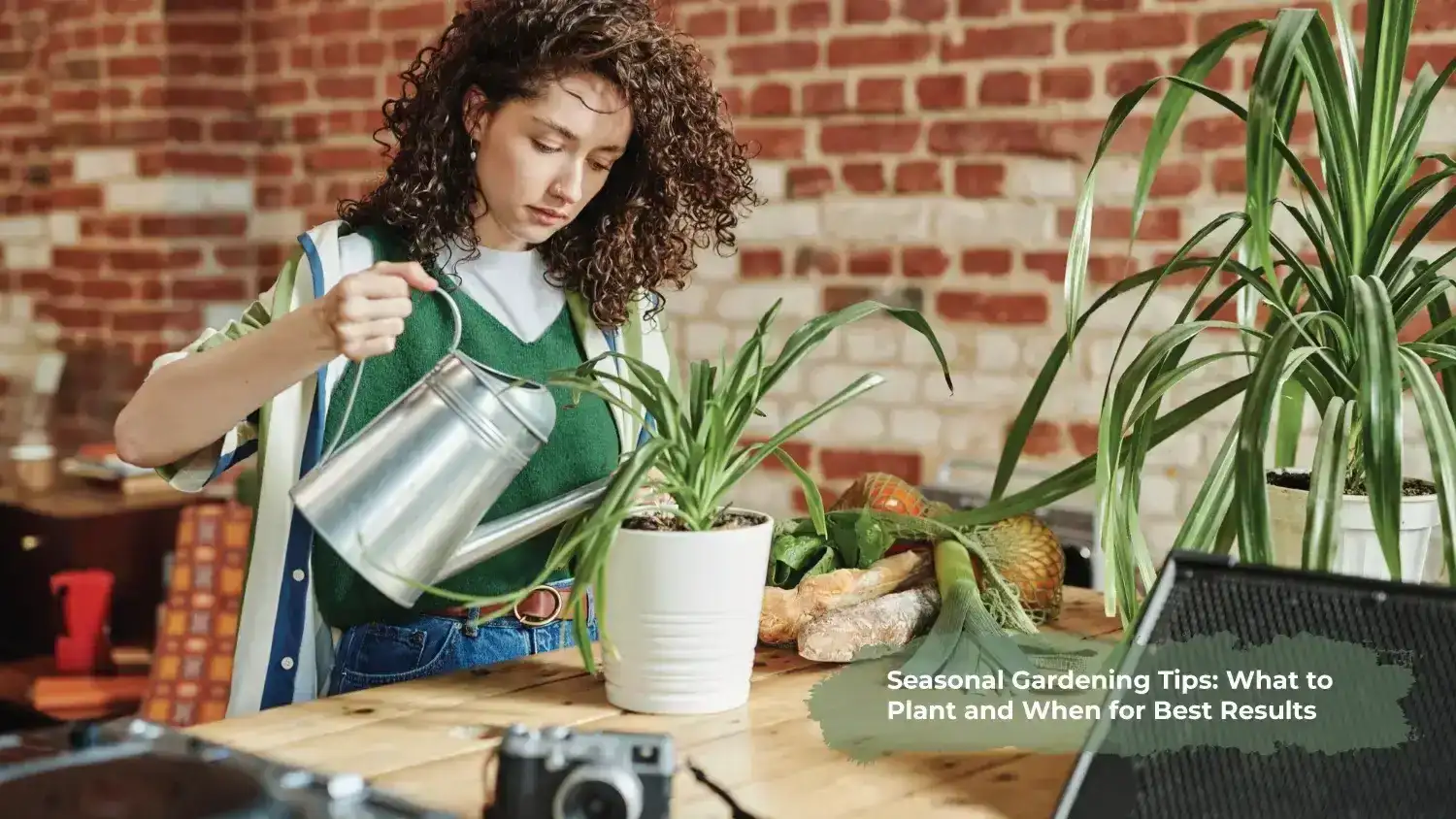
Gardening success isn’t just about what you plant-it’s about when you plant it. Each season brings unique soil conditions, temperatures, and sunlight patterns that directly affect plant growth. Understanding seasonal gardening helps you work with nature instead of against it, resulting in healthier plants, higher yields, and less frustration.
Whether you’re a beginner planting your first seeds or a home gardener refining your skills, this guide will walk you through what to plant in every season and how evolving gardening techniques can improve results year after year. At Garden Idea Pro, we believe that smart seasonal planning is the foundation of a thriving garden.
Why Seasonal Gardening Matters
Plants are naturally programmed to grow during specific times of the year. Seasonal gardening aligns your planting schedule with natural weather cycles, helping you:
- Improve germination rates
- Reduce pest and disease problems
- Save water and fertilizer
- Increase crop yield and flower blooms
Planting out of season often leads to stunted growth or complete crop failure. By following seasonal gardening tips, you give your plants the best possible environment to thrive.
Understanding Your Local Climate and Growing Zones
Before planting anything, it’s important to understand your regional climate. Factors like temperature range, rainfall, humidity, and frost dates play a major role in plant survival.
Key Climate Factors to Consider:
- Average seasonal temperatures
- Length of each season
- Rainfall patterns
- Sunlight exposure
Gardeners in tropical regions will follow different planting calendars than those in temperate or colder zones. Adapting general seasonal advice to your local conditions ensures better outcomes-something Garden Idea Pro always emphasizes for home gardeners.
Spring Gardening Tips: Fresh Starts and Fast Growth
Spring is the most exciting season for gardeners. The soil warms up, daylight increases, and plants enter their active growth phase.
Best Plants to Grow in Spring:
- Vegetables: Tomatoes, cucumbers, carrots, spinach, peas
- Fruits: Strawberries, watermelon, muskmelon
- Flowers: Marigolds, petunias, sunflowers
- Herbs: Basil, coriander, mint
Spring Gardening Tips:
- Prepare soil with compost or organic manure
- Start seeds indoors if nights are still cool
- Water consistently but avoid waterlogging
- Mulch lightly to retain moisture
Spring is ideal for experimenting with new varieties and improving soil health for the rest of the year.
Summer Gardening Tips: Managing Heat and Productivity
Summer brings long days and fast growth-but also heat stress. With the right care, your garden can remain productive even during peak temperatures.
Best Plants to Grow in Summer:
- Vegetables: Okra, eggplant, chilies, bottle gourd
- Fruits: Papaya, banana
- Flowers: Zinnia, portulaca, cosmos
- Herbs: Lemongrass, rosemary
Summer Gardening Tips:
- Water early morning or late evening
- Use mulch to prevent moisture loss
- Provide shade nets for delicate plants
- Increase organic matter to improve soil water retention
Modern gardeners are increasingly adopting heat-tolerant plant varieties, a growing trend in seasonal gardening.
Monsoon Gardening Tips: Making the Most of Rainy Weather
The rainy season can be both a blessing and a challenge. While water is abundant, excess moisture can lead to fungal diseases if not managed properly.
Best Plants to Grow in Monsoon:
- Vegetables: Bitter gourd, ridge gourd, beans
- Flowers: Balsam, rain lilies
- Herbs: Turmeric, ginger
Monsoon Gardening Tips:
- Improve drainage to prevent root rot
- Use raised beds or containers
- Monitor pests like snails and aphids
- Avoid over-fertilizing
Rainwater harvesting and natural irrigation methods are becoming popular eco-friendly practices among seasonal gardeners.
Autumn Gardening Tips: Preparing for Cool-Season Crops
Autumn is a transitional season that sets the stage for winter gardening. Cooler temperatures reduce pest activity and allow many vegetables to thrive.
Best Plants to Grow in Autumn:
- Vegetables: Cauliflower, cabbage, broccoli, radish
- Greens: Lettuce, mustard greens
- Flowers: Calendula, pansy
Autumn Gardening Tips:
- Remove summer crop residues
- Enrich soil with compost
- Start winter seedlings early
- Reduce watering as temperatures drop
This is also the perfect time to plan crop rotation for long-term soil health.
Winter Gardening Tips: Growing Even in the Cold
Many gardeners stop planting in winter-but that’s a missed opportunity. Several plants actually prefer cooler weather.
Best Plants to Grow in Winter:
- Vegetables: Peas, spinach, carrots, beets
- Herbs: Parsley, dill
- Flowers: Sweet peas, petunia
Winter Gardening Tips:
- Use mulch to protect roots from frost
- Water less frequently
- Grow plants in sunny spots
- Consider container gardening for mobility
Cold frames and low-cost poly covers are modern solutions that extend the growing season well into winter.
Ever-Evolving Gardening Tips for Better Seasonal Results
Gardening practices continue to evolve with new research, tools, and sustainable methods. Staying updated helps you get better results every year.
Modern Seasonal Gardening Trends:
- Climate-adaptive plant varieties
- Organic pest control methods
- Smart irrigation systems
- Companion planting
- Soil health monitoring
Gardeners today are focusing more on sustainability, efficiency, and eco-friendly techniques, making seasonal gardening smarter and more productive than ever before.
Common Seasonal Gardening Mistakes to Avoid
Even experienced gardeners can make seasonal mistakes. Avoid these common issues:
- Planting too early or too late
- Ignoring soil preparation
- Overwatering during rainy seasons
- Skipping seasonal pruning
- Using chemical fertilizers excessively
Learning from these mistakes ensures consistent success across all seasons.
Summary
Seasonal gardening is the secret to consistent, healthy, and rewarding plant growth. By understanding what to plant and when, you can transform your home garden into a productive, year-round green space. With thoughtful planning, modern techniques, and seasonal awareness, gardening becomes easier and more enjoyable over time. For more practical guides, planting calendars, and evolving gardening tips, Garden Idea Pro is your trusted companion on the journey to greener living
FAQs
Why is seasonal planting important for gardening success?
Seasonal planting matches plant growth cycles with natural weather conditions, improving survival rates and yields.
Can I garden year-round at home?
Yes, with proper planning, container gardening, and seasonal crop selection, gardening can be done all year.
What is the easiest season for beginner gardeners?
Spring is ideal for beginners due to mild weather and fast plant growth.
How do I protect plants from extreme summer heat?
Mulching, proper watering schedules, and shade protection help plants survive high temperatures.
Are seasonal gardening tips the same everywhere?
No, they vary based on local climate and growing zones, so adapt general advice to your region.


